Why Observability is Essential for Complex Software Systems
Why Observability Is Critical for Complex Software Systems
In today’s fast-paced digital landscape, software systems have become increasingly complex and distributed. As organizations scale their operations, ensuring the seamless functionality of these systems is paramount. This is where observability comes into play. It offers the necessary insights into system performance, aiding in maintaining reliability, enhancing performance, and ensuring security.
Understanding Observability
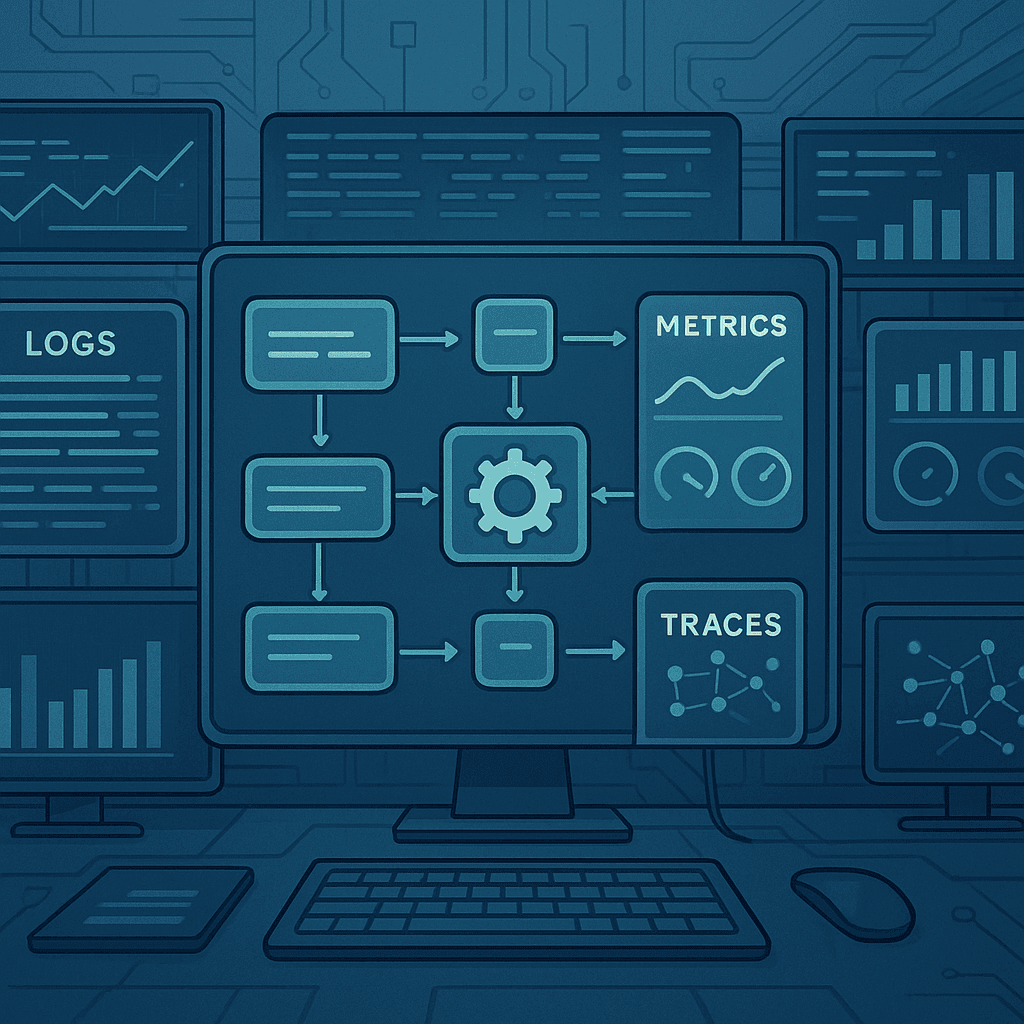
Observability refers to the ability to understand the internal state of a system based on the data it produces, such as logs, metrics, and traces. Unlike traditional monitoring, which often focuses on predefined metrics and alerting, observability seeks to provide a more comprehensive view of what is happening inside the system.
The Components of Observability
- Logs: These are immutable records of discrete events that have occurred within the system. They provide context for debugging and understanding system behavior.
- Metrics: These are numerical data points that represent the performance of various components over time. Metrics help in tracking system performance and resource utilization.
- Traces: Traces follow a request or transaction as it moves through the system, providing insights into the path it takes and where bottlenecks may occur.
Why Observability Matters
As systems grow in complexity, observability becomes essential for several reasons:
Enhancing System Performance
Observability helps in identifying performance bottlenecks by providing detailed insights into how different components of the system interact. By analyzing metrics and traces, teams can pinpoint inefficiencies and optimize the system for better performance.
Increasing Reliability
Reliable systems are critical for business operations. With observability, teams can proactively identify potential issues before they escalate into critical failures. The ability to quickly diagnose and resolve these issues reduces downtime and maintains system reliability.
Improving Security
Observability also contributes to enhanced security. By continuously monitoring logs and traces, security teams can detect unusual patterns that may indicate a breach or vulnerability, allowing them to react swiftly and mitigate risks.
Implementing Observability in Complex Systems
To effectively implement observability, organizations should consider the following strategies:
Adopt a Holistic Approach
Observability should not be an afterthought. It needs to be integrated into the development lifecycle from the outset, ensuring that monitoring and analysis are part of the system’s core functionalities.
Leverage Advanced Tooling
Modern observability platforms provide powerful tools that aggregate data from various sources, offering real-time analysis and visualization. Investing in these tools can significantly enhance an organization’s ability to monitor and manage its systems.
Foster a Culture of Collaboration
Effective observability requires collaboration between development and operations teams. By fostering a culture of shared responsibility, organizations can ensure that all stakeholders are engaged in maintaining and improving system health.
Conclusion
As software systems continue to grow in complexity, the importance of observability cannot be overstated. It is essential for maintaining high performance, reliability, and security. By adopting observability practices, organizations can not only improve their operational efficiency but also enhance the user experience, ultimately driving business success. At FamIT Solutions and Technologies, we understand the critical role observability plays in today’s digital environment. Our expertise in IT services and technology consulting can help you implement robust observability solutions tailored to your needs.
Share this article
Help others discover this content